
We recycle end-of-life tires into raw materials, Or simply put: RETHINK RESOURCES
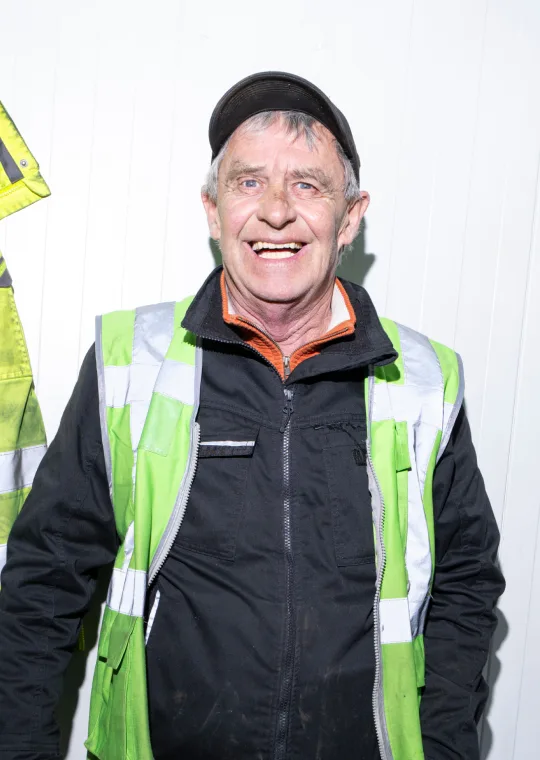
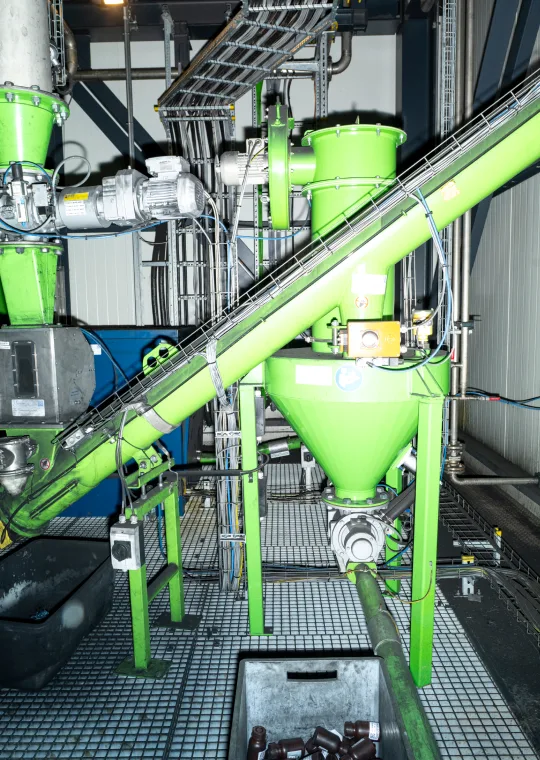
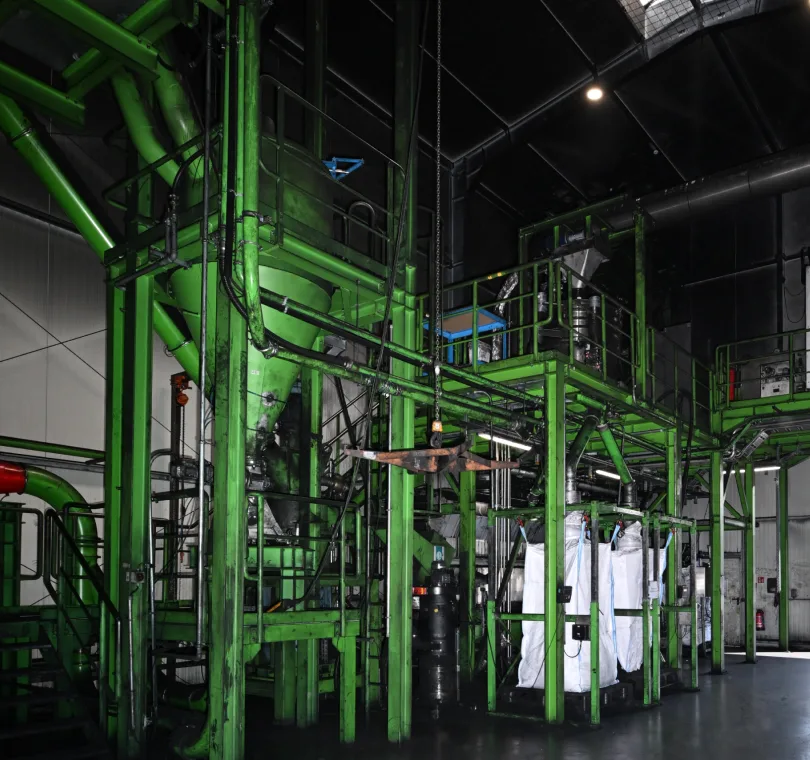
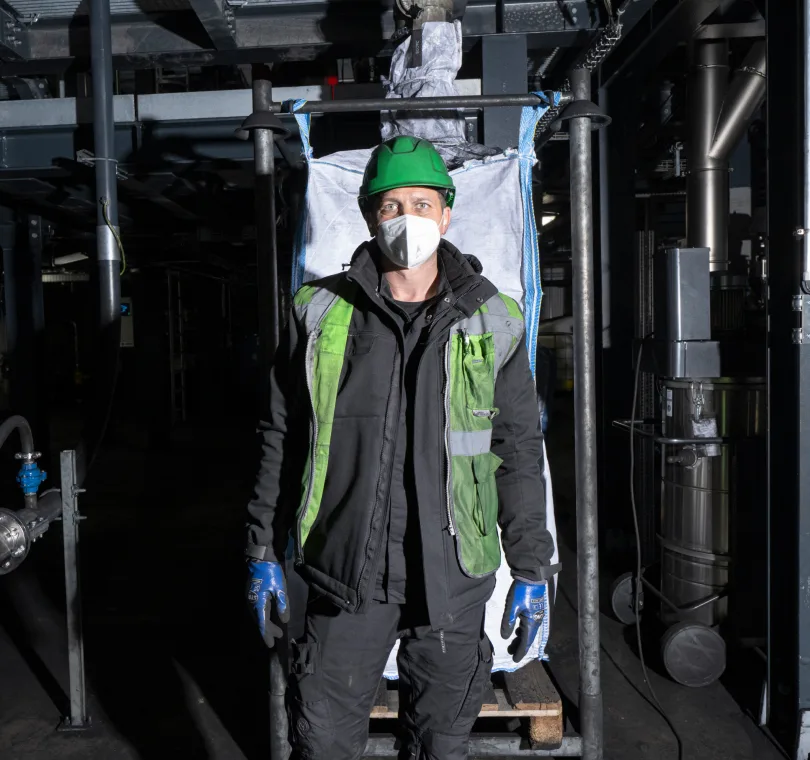
We develop technology for new material cycles
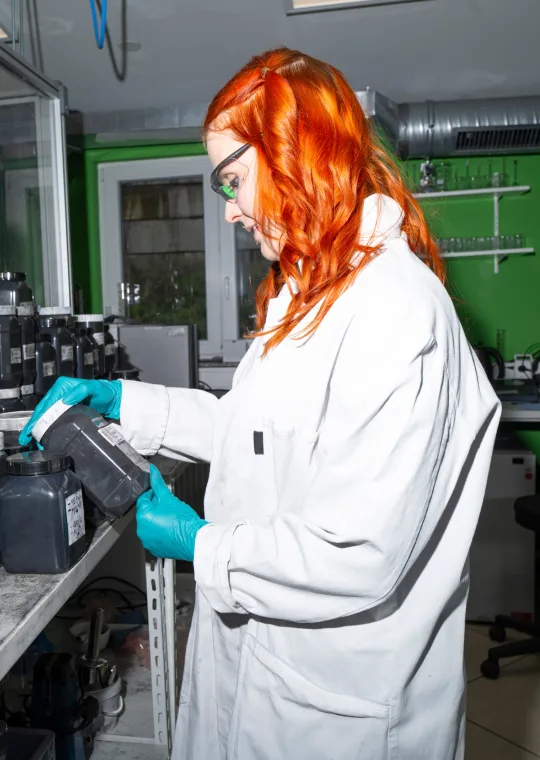
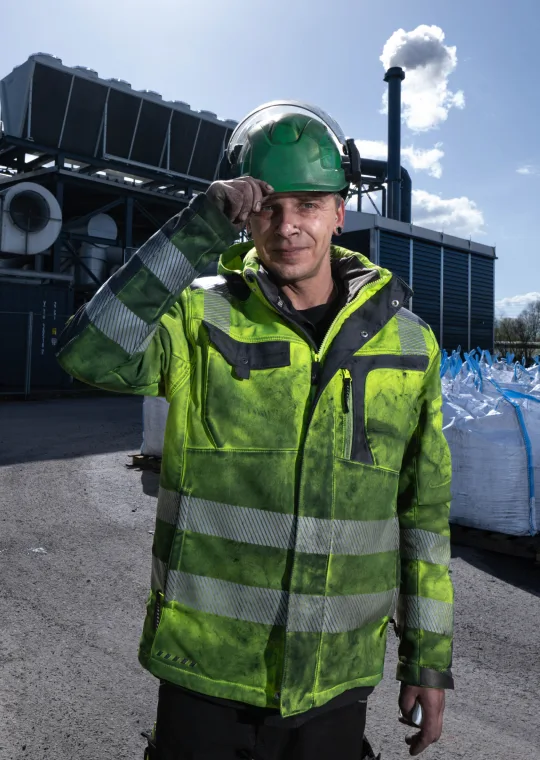
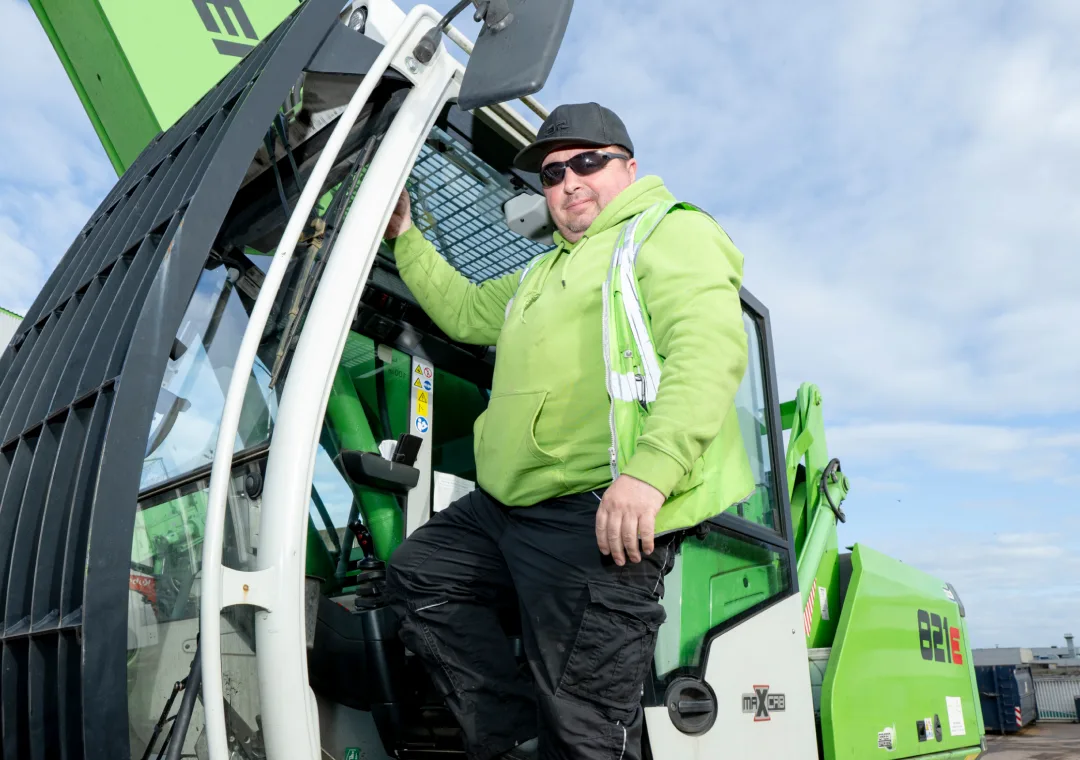
Pyrum develops and operates recycling technology for difficult-to-recycle waste streams. Since the company was founded in 2008, Pyrum has independently developed, planned, and built the necessary infrastructure – from its own laboratory to large-scale industrial recycling facilities. Using patented thermolysis technology, Pyrum recovers valuable raw materials from waste for industry, chemistry, and the circular economy. End-of-life tires represent the first large-scale application focus: from a complex waste stream, industrial secondary raw materials such as ThermoTireOil® and ThermoTireBlack® are produced. In this way, Pyrum transforms difficult-to-recycle waste into the starting point for new value creation and establishes the foundation for new material cycles.
The Process
WORN OUT, BUT FAR FROM OVER – FROM OLD TIRES TO RAW MATERIALS
Pyrum does not view end-of-life tires as waste, but as the starting point for new industrial material cycles. The process demonstrates how a problematic waste stream becomes valuable materials for new applications.
Delivery and Shredding
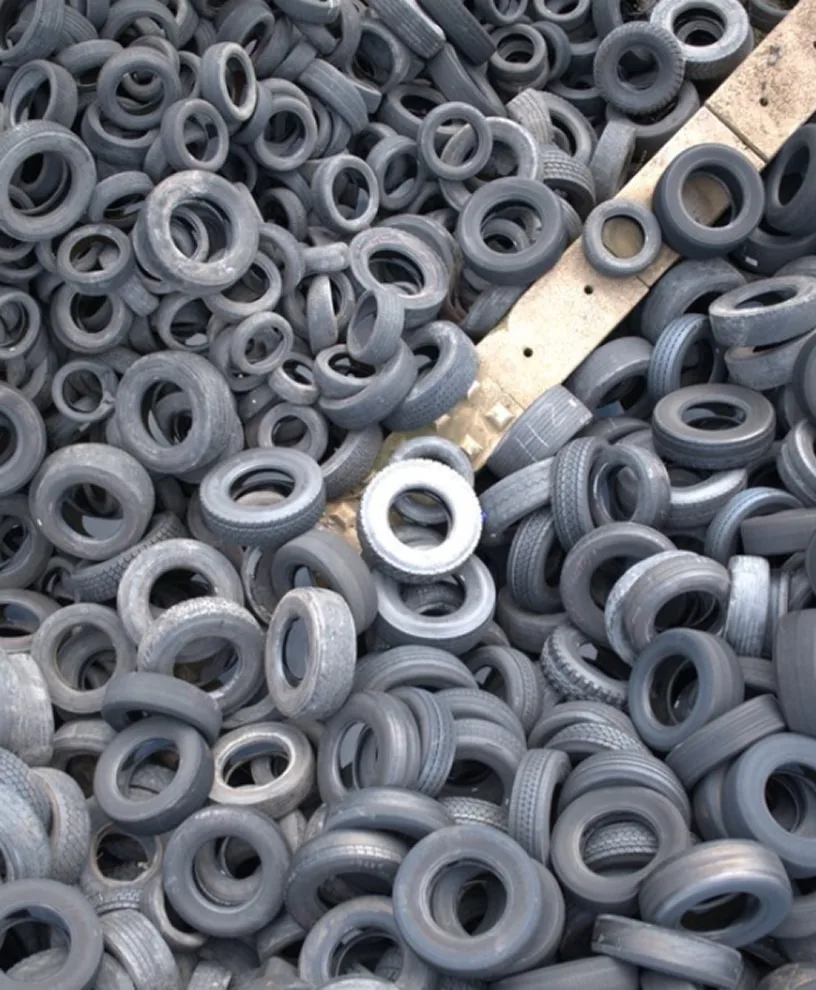
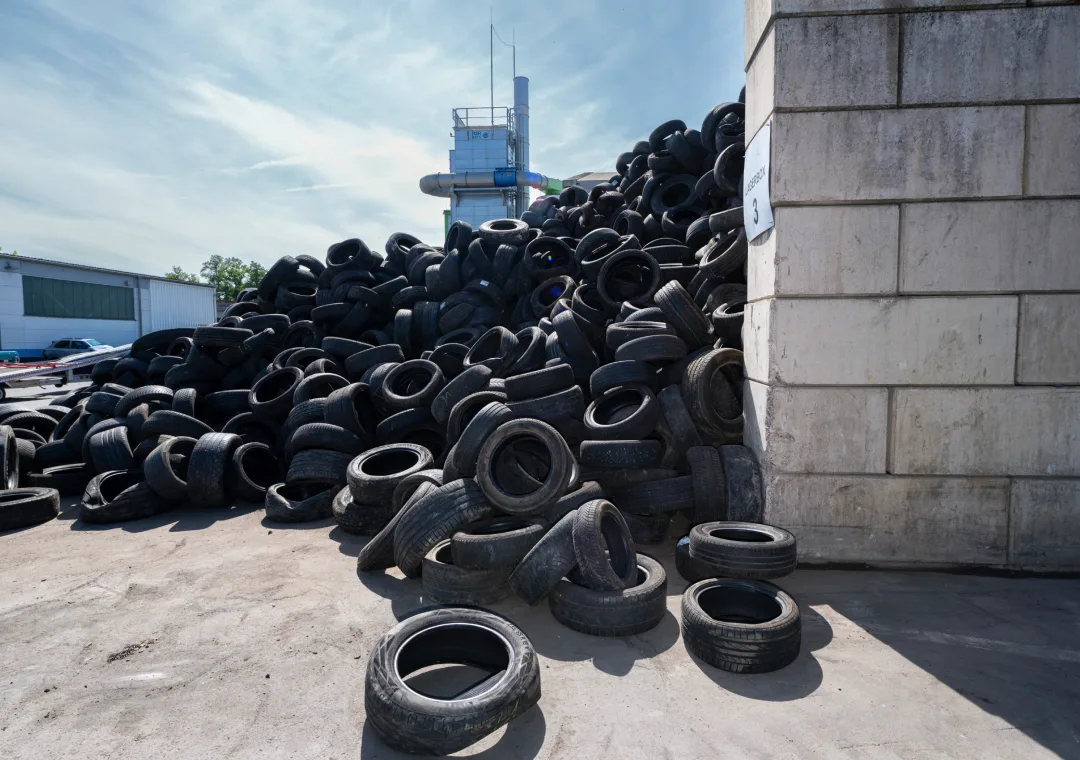
Approximately 20,000 tons of end-of-life tires* are delivered annually to the Pyrum facility in Dillingen/Saar. There they are initially stored and sorted. The tires are then shredded in the shredding facility, separating the rubber granulate from the steel and textile for further processing.
*a future standard facility will be able to recycle over 22.000 tons annually
Thermolysis
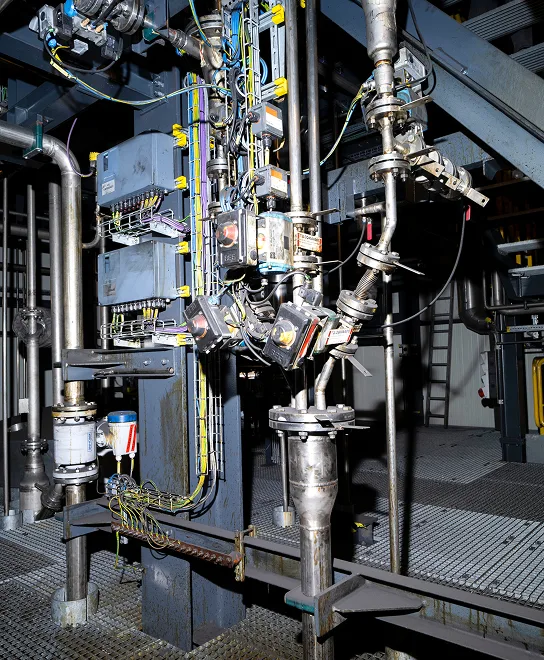
The rubber granulate undergoes thermal decomposition in the absence of oxygen. This process separates solids and vapors, recovering valuable raw materials: ThermoTireOil®, ThermoTireBlack®, and gas.
Further Processing
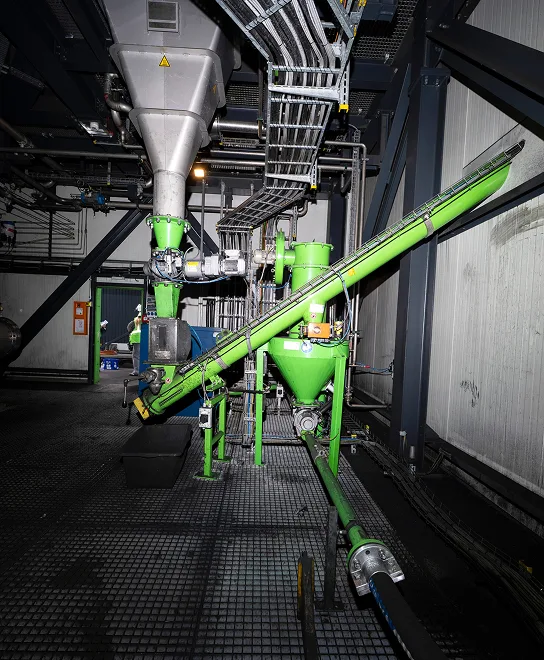
The vapors generated during thermolysis are then condensed and separated into oil and gas. The gas is used to power the thermolysis plant, while the ThermoTireOil® returns to the chemical industry as a valuable raw material. The remaining solid residue (coke) is ground and pelletized into ThermoTireBlack® (TTB), which is then used in the production of new tires.
Industrial Application
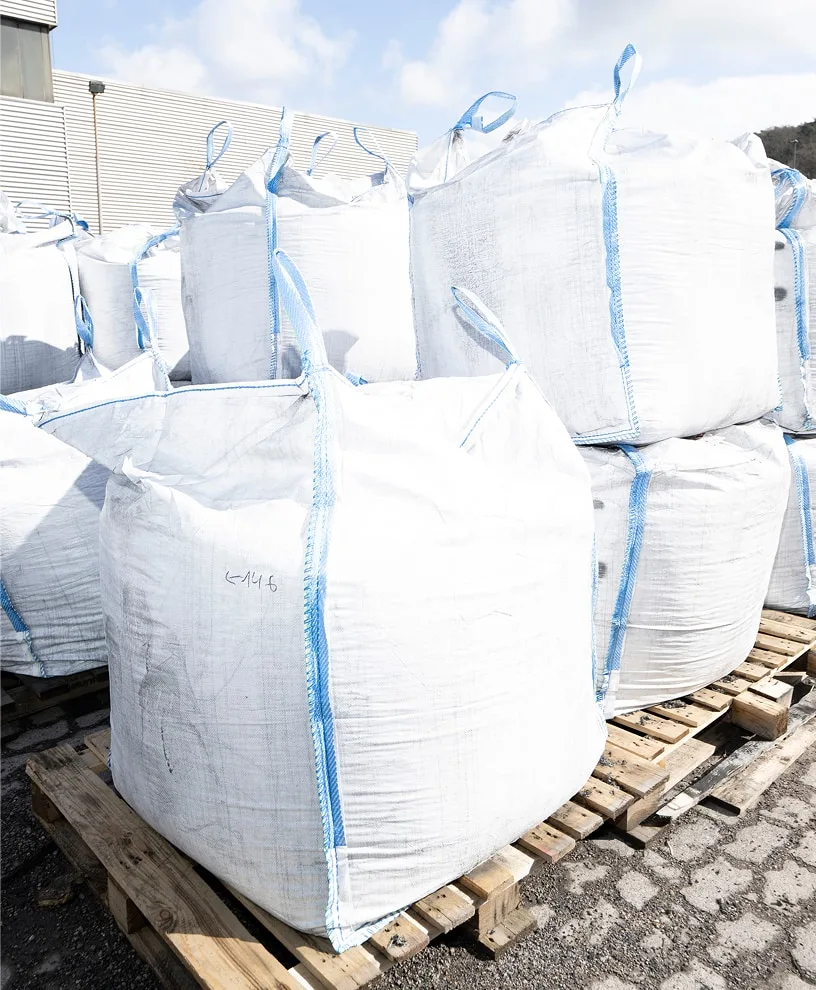
The recovered raw materials are already being used in concrete applications: ThermoTireBlack®, for example, in Schwalbe bicycle tires such as the Green Marathon and in Continental Super Elastic solid tires for forklifts; ThermoTireOil® through chemical recycling in VAUDE outdoor apparel and Mercedes-Benz plastic components such as door handles; the separated steel wire is returned to the steel industry.
Partners
A CYCLE ONLY BECOMES
FULL CIRCLE TOGETHER
An industrial circular economy does not emerge in isolation. Pyrum collaborates with partners from the chemical, tire, mobility, and recycling industries to qualify recovered materials and reintegrate them into industrial applications. Long-term partnerships combine technological development with concrete applications, thereby laying the foundation for scalable material loops.
CHEMISTRY IN THE LOOP
As part of the ChemCycling® approach, BASF uses ThermoTireOil® in its production. The recycled raw material is allocated to high-quality chemical products via a mass balance approach. Through long-term collaboration, post-consumer waste can be returned to the cycle.

From end-of-life tires to new raw materials for the tires of tomorrow
Continental uses ThermoTireBlack® recovered by Pyrum, in the production of its tires, reintroducing recycled materials into the value chain. Continental subsidiary REG ensures the return of end-of-life tires from the market, thereby laying the foundation for a closed material loop. Together, Continental and Pyrum are driving the further development of recovered carbon black to continuously increase the proportion of recycled materials in tires and utilize resources even more efficiently.

Working together for more circular economy in bicycle tires
Schwalbe and Pyrum are collaborating to return used bicycle tires to the material cycle. As part of the Schwalbe recycling system, collected bicycle tires are processed at Pyrum using pyrolysis. This process recovers materials such as ThermoTireBlack®, which is then reused as a raw material for the production of new Schwalbe bicycle tires. Since 2022, more than 2.6 million bicycle tires have already been recycled in this way.
Our Brand Ambassador
Felix Magath has supported Pyrum as brand ambassador and investor since 2025. Together, we pursue the goal of bringing the importance of industrial raw material recovery into greater focus for business, politics, and the public. The partnership combines technological innovation with entrepreneurial experience and demonstrates the contribution Pyrum can make to future raw material supply. Learn more about the collaboration →
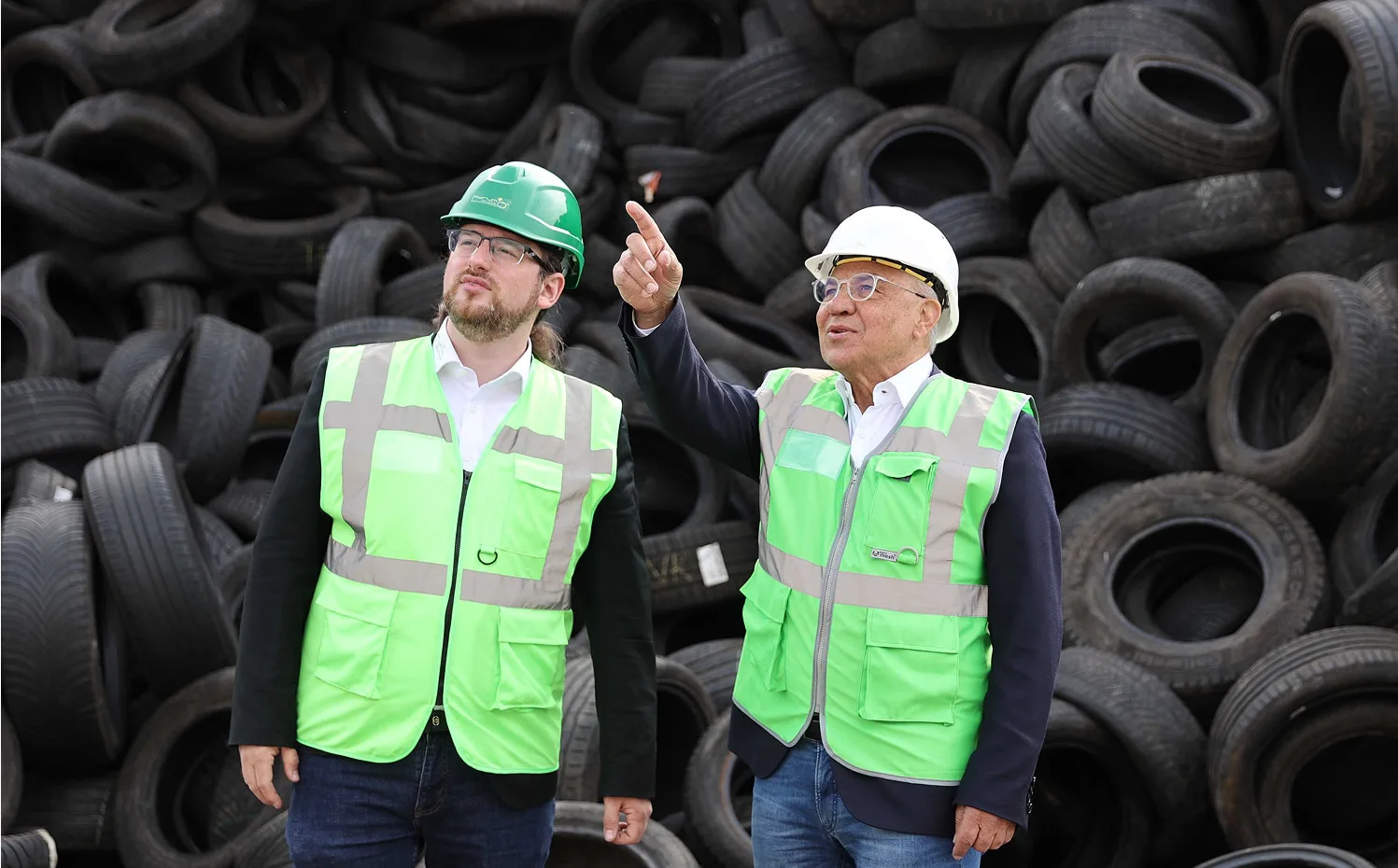
“I am impressed by the combination of technological pioneering spirit, entrepreneurial consistency and social relevance.”
Felix Magath
We need companies like this to get back to the top of the world rankings.”
Projects
From facility to
international plant network
Pyrum continues to develop its technology from the reference site in Dillingen and is gradually building additional recycling capacity in Germany and Europe. Owned facilities through subsidiaries, partner projects, and external plant projects create the foundation for a growing network of industrial circular economy.
Bewege die Maus über einen Standort auf der Karte…
News
Milestones
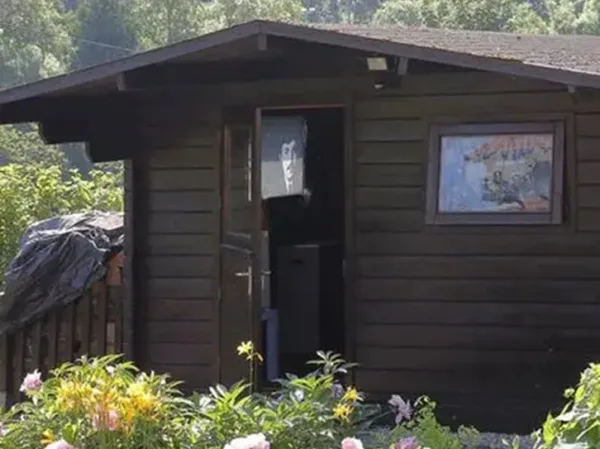
OUR IDEA WAS BORN IN A GARDEN Shed –
THE PERFECT SETTING FOR GROWING TECHNOLOGY.


Foundation
Pyrum Innovations ESC GmbH is founded from an idea by four friends in a 9 m² garden shed.
First Pilot Plant
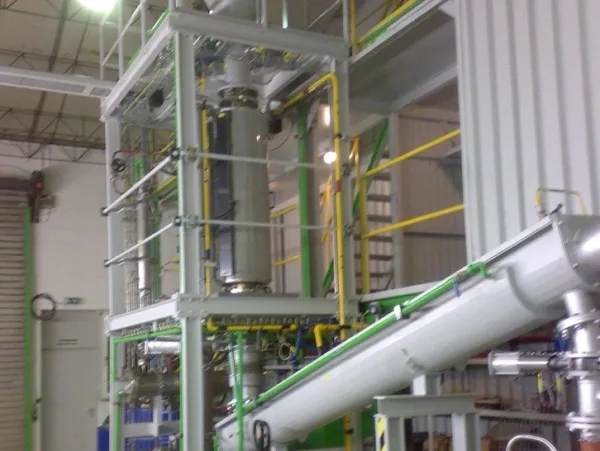
In 2008–2009, the company developed its first fully functional pilot plant on a 1:3 scale, which began operations in 2009.
Large-Scale Industrial Plant
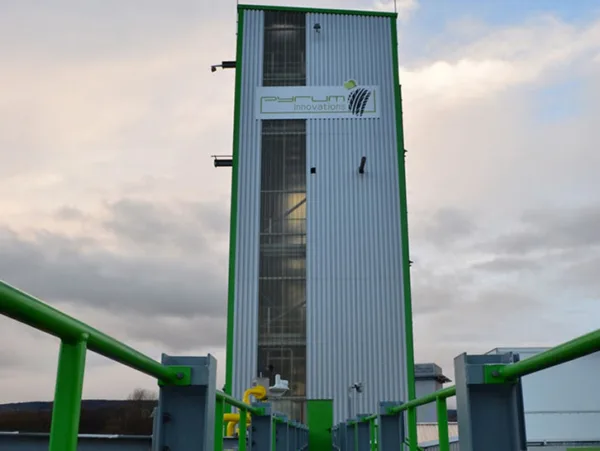
The first industrial plant is completed and officially opened to the press. This is followed by the first test runs to verify the plant’s functionality.
Continuous Operation & Off-take Agreements
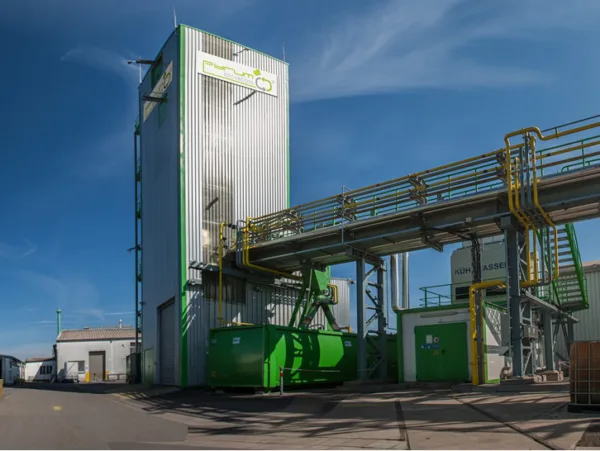
The thermolysis plant switches to continuous operation. From now on, thermolysis oil from the industrial plant is delivered to customers at regular intervals.
Site Expansions
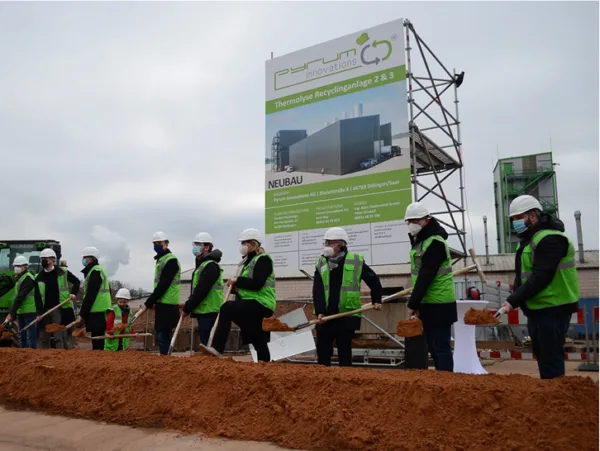
Pyrum breaks ground for the site expansion at its headquarters in Dillingen/Saar. This is intended to significantly increase future recycling capacity.
Path to the Stock Exchange
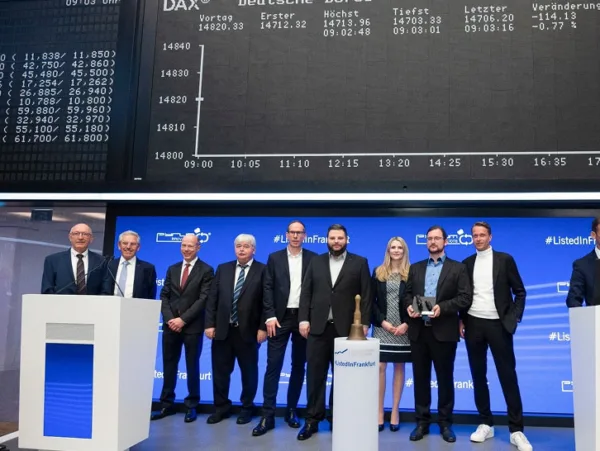
In September 2021, Pyrum went public via a private placement on the Oslo Stock Exchange. In March 2022, this was followed by a listing in the Scale segment of the Frankfurt Stock Exchange – accompanied by the symbolic ringing of the stock exchange bell by Pascal Klein.
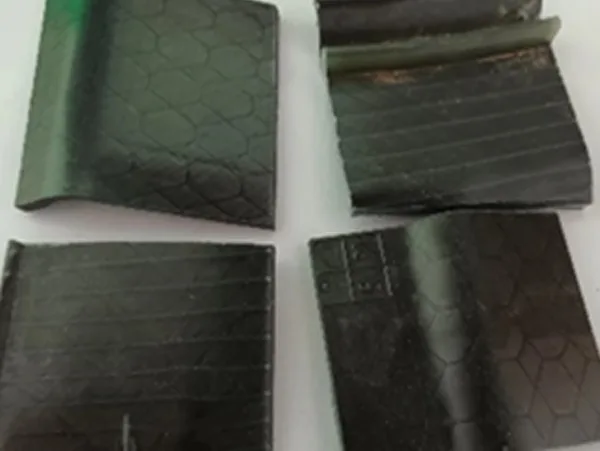
Breakthrough in CFRP Recycling
Pyrum achieves a breakthrough in recycling carbon fiber reinforced plastics (CFRP). In 2023, the R&D team succeeds for the first time worldwide in fully recycling CFRP. CFRP is found, among other things, in wind turbines and automotive bodies.

Joint Venture UniPyrum
Pyrum and UNITANK establish the joint venture UniPyrum for the construction of up to ten plants.
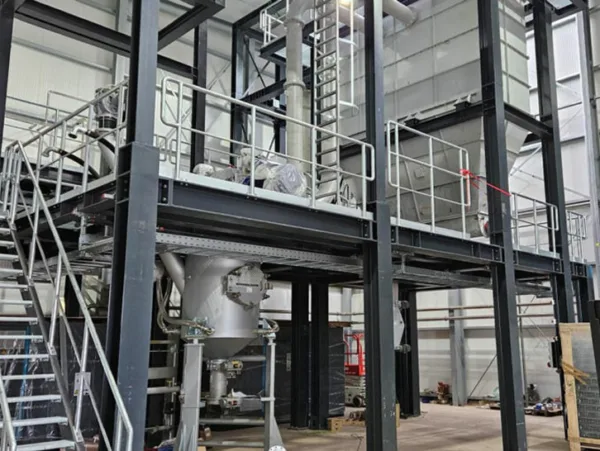
World’s Largest Grinding & Pelletizing Plant
The world’s largest grinding and pelletizing plant for rCB is being built at the headquarters in Dillingen.
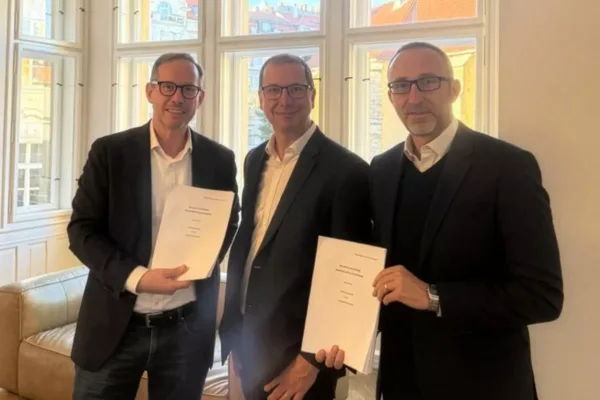
First external plant sale
In 2026, Pyrum signs its first plant purchase agreement for an external Pyrum plant with SUAS reTire. Pyrum’s technology will be used in the new recycling plant in Sokolov, Czech Republic.
FAQ
What is thermolysis?
Thermolysis decomposes organic materials at high temperatures in the absence of oxygen. Pyrum uses this process to recycle end-of-life tires, recovering materials such as oil, recycled carbon black, and the steel contained in the tires. The gas generated during the process is also utilized.
What distinguishes thermolysis from the incineration of end-of-life tires?
The primary goal of incineration is energy production. Thermolysis, on the other hand, aims to recover materials from end-of-life tires as secondary raw materials and reuse them. This process thus supports the development of more closed-loop material cycles.
What is special about Pyrum technology?
Once operational, Pyrum’s thermolysis process can meet its energy requirements using the process gas generated during operation. According to a life cycle analysis conducted by Fraunhofer in 2022, the Pyrum process achieves net CO₂ savings of up to 965 kg of CO₂ equivalent per tonne of end-of-life tires processed, including heat recovery.* At the same time, high-quality raw materials are produced that can be reused in industry.
* Source: Maga, D.; Aryan, V.; Blömer, J. (2022): Comparative Life Cycle Assessment of End-of-Life Options for End-of-Life Tires; Fraunhofer Institute for Environmental, Safety and Energy Technology UMSICHT. Variant examined: Pyrum pyrolysis process including heat utilization.
Can Pyrum thermolysis also be used for other waste streams?
Yes. Pyrum thermolysis technology is not limited to end-of-life tires and can in principle also be used for other suitable waste streams. Pyrum continuously researches new feedstocks and corresponding application possibilities.
In 2023, Pyrum succeeded for the first time in fully recycling carbon fiber-reinforced plastics (CFRP), opening up another application area for thermolysis technology.
Who can deliver end-of-life tires to Pyrum?
Pyrum accepts end-of-life tires from both private individuals and commercial customers for proper processing. Delivery to our facility in Dillingen/Saar is only possible by appointment. All requirements can be found in our current acceptance criteria.
Delivery times:
• Commercial customers: Monday–Friday, 7:00 AM–3:00 PM
• Private customers: Friday, 12:00 PM–3:00 PM
For questions and appointments, please contact us at entsorgung@pyrum.net or +49 6831 959 48 0.
For individual quotes and larger quantities, please contact sales@pyrum.net.